Mowers · cost guide
Zero-Turn Mower Cost: What You'll Pay in 2026
A residential zero-turn mower costs $2,600 to $8,000. Here's the real cost by deck size and quality tier, gas vs electric, and whether it's worth it over a tractor.
What a zero-turn mower costs
Pricing as of July 2026, per Home Depot and Lowe's listings and LawnStarter 2026 data.
Prices vary by brand, model, and region. Confirm the current price with the retailer before you buy.
As an Amazon Associate, YardBuff earns from qualifying purchases.
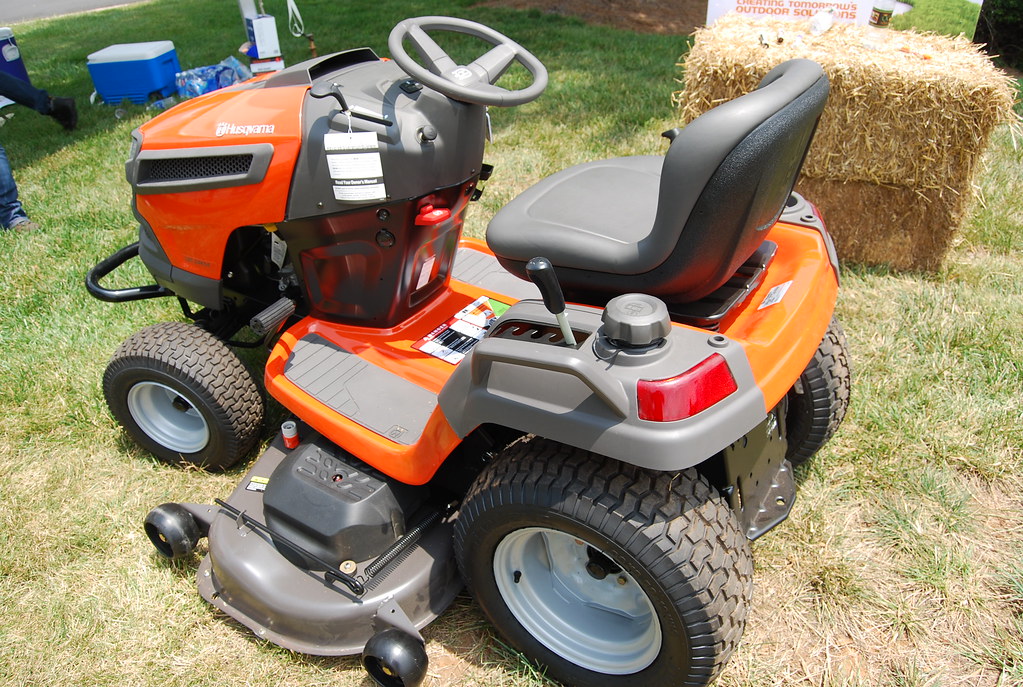
Cost by type
| Type | Typical price | Best for |
|---|---|---|
| Entry residential (42" deck) | $2,600–$3,500 | Half-acre to an acre of mostly open ground. |
| Mid residential (48–54") | $3,500–$5,000 | One to three acres; the sweet spot for most big yards. |
| Premium residential (54–60") | $5,000–$8,000 | Three-plus acres; heavier frame, better seat and suspension. |
| Electric zero-turn | $3,500–$6,000 | Quiet, no fuel; runtime capped by battery capacity. |
A residential zero-turn mower costs $2,600 to $8,000, and most homeowners with a big yard land around $3,500 to $4,500 for a 48- to 54-inch machine. The price climbs with deck width, frame quality, and comfort features, and electric zero-turns now overlap the gas range at $3,500 to $6,000.
The name comes from the turning radius: it pivots on the spot instead of arcing like a tractor, so it’s much faster around trees, beds, and fence lines. That speed is what you’re paying for over a cheaper riding mower.
What sets the price
Deck width is the biggest lever. A 42-inch entry deck ($2,600 to $3,500) suits a half-acre to an acre. Step to 48 to 54 inches ($3,500 to $5,000) for one to three acres, and 54 to 60 inches ($5,000 to $8,000) once you’re mowing three-plus acres and want it done fast. A wider deck cuts more per pass, so it’s about time as much as capability.
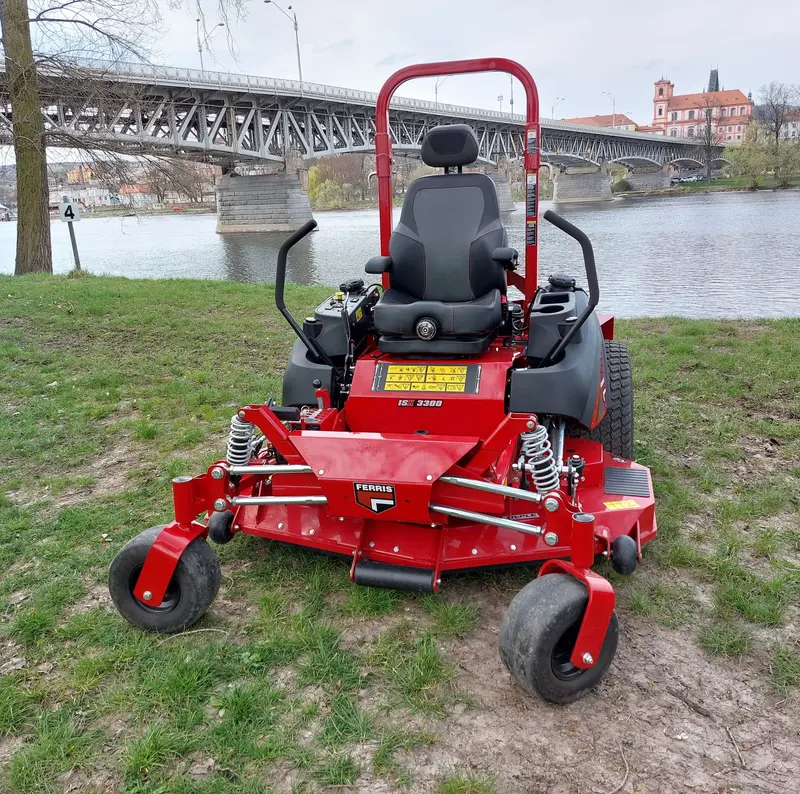
The rest of the money buys a heavier frame, a better seat with suspension, and a commercial-style transmission that lasts. An entry residential unit and a premium one can both cut your grass; the premium one does it more comfortably and holds up longer under heavy use.
Gas vs electric zero-turn
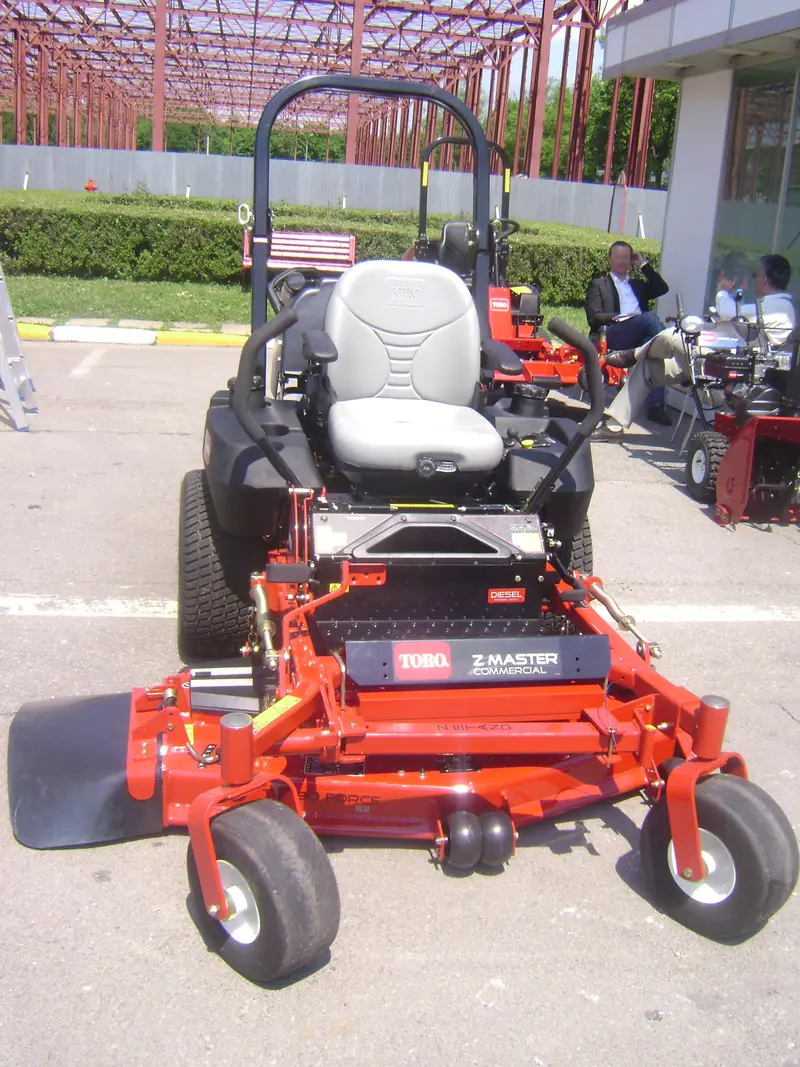
Electric zero-turns run $3,500 to $6,000, right in the gas range. They’re quiet, need no fuel, oil, or belts, and start instantly. The limit is run time: a battery model is sized in acres-per-charge, and a large property can outlast it. If you mow one to two acres, electric is a clean, low-maintenance choice. If you’re mowing three-plus acres in one go, gas still finishes the job without a recharge.
Is a zero-turn worth it?
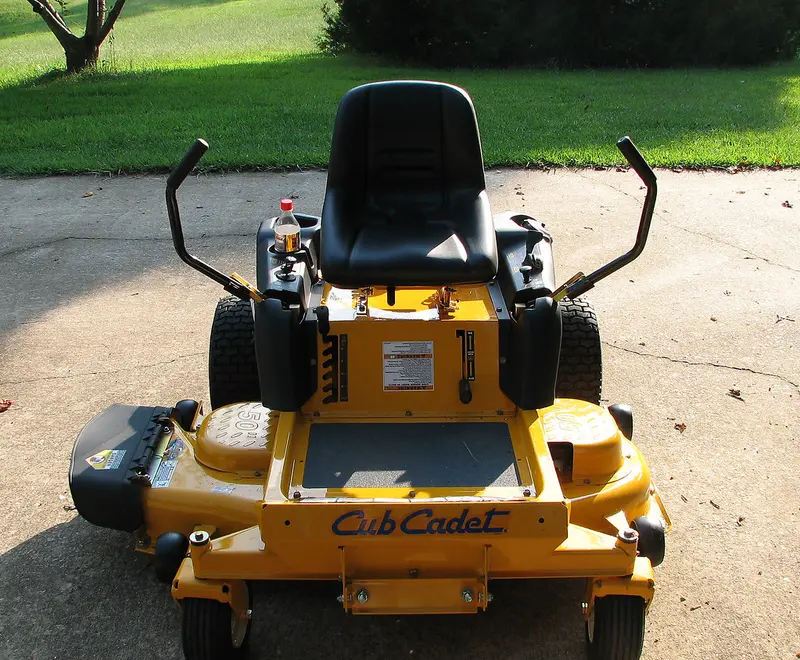
Only once your yard actually punishes a tractor. On open ground, a $1,500 lawn tractor cuts the same grass for far less. The zero-turn earns its price when you have an acre or more studded with obstacles: it saves real time on every pass around a tree or bed, week after week. If your lawn is mostly open rectangles, put the money toward a wider tractor deck instead.
Where to buy
- Residential zero-turn mowers (Toro, Cub Cadet, Ariens) , residential models $2,600–$8,000 (affiliate)
- Electric zero-turn mowers (EGO, Ryobi) , typically $3,500–$6,000 (affiliate)
As an Amazon Associate, YardBuff earns from qualifying purchases. Prices and availability are set by Amazon at the time you click.