Cutting & Trimming · cost guide
Weed Eater Cost: What a String Trimmer Costs in 2026
A weed eater costs $40 to $400. Corded runs $40 to $90, cordless $100 to $300, gas $130 to $400. Here's the real cost by type and which string trimmer fits your yard.
What a weed eater costs
Pricing as of July 2026, per Home Depot and Lowe's listings, July 2026.
Prices vary by brand, model, and region. Confirm the current price with the retailer before you buy.
As an Amazon Associate, YardBuff earns from qualifying purchases.
Cost by type
| Type | Typical price | Best for |
|---|---|---|
| Corded electric | $40–$90 | Small yards near an outlet; light edging and trimming. |
| Cordless | $100–$300 | The homeowner default; no cord, no fuel, plenty of power. |
| Gas (straight or curved shaft) | $130–$400 | Big lots, thick weeds, and all-day trimming. |
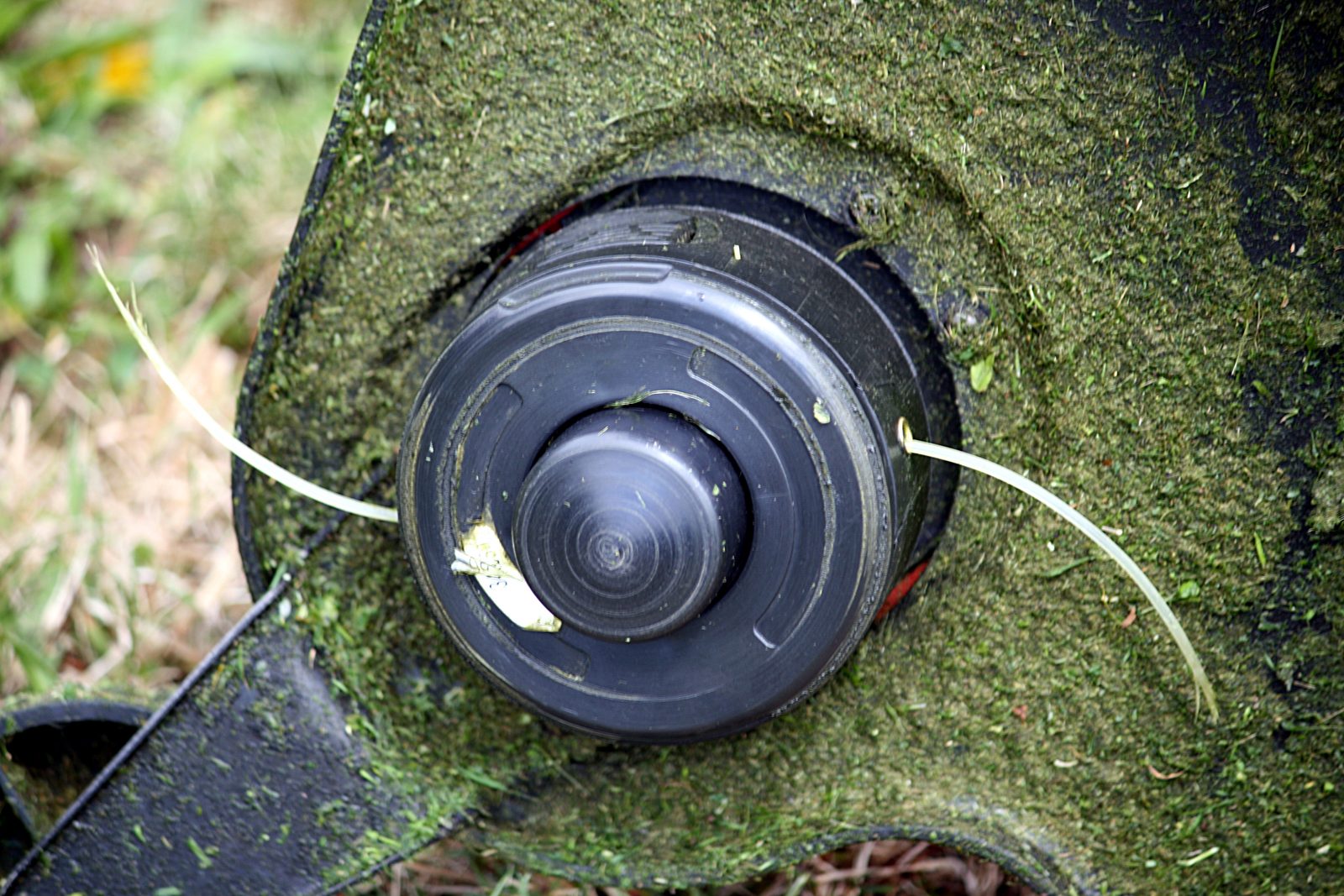
A weed eater costs $40 to $400. Corded electric models start around $40, cordless run $100 to $300, and gas trimmers land at $130 to $400. Most homeowners spend around $130 to $180 on a cordless trimmer that handles a normal yard’s edging and weeds.
“Weed eater” and “string trimmer” are the same tool; Weed Eater is a brand name that became the generic term. It spins a nylon line fast enough to cut grass and weeds along edges, fences, and beds where a mower can’t reach.
Which type fits your yard
A corded electric trimmer is the cheapest, fine for small yards within an outlet’s reach, but the cord fights you around beds and trees. A cordless trimmer is the modern default: $100 to $300 buys a quiet, no-fuel tool with enough power for edging and light weeds, and battery run time is rarely a problem on a home lot. If you own a battery platform, a bare tool is cheap.
Gas trimmers ($130 to $400) still rule the biggest jobs: large properties, thick brush, and all-day trimming. A straight-shaft gas model with a brush-cutter blade tackles growth a nylon line can’t. For a suburban yard, gas is usually more than the job needs.
What to actually spend
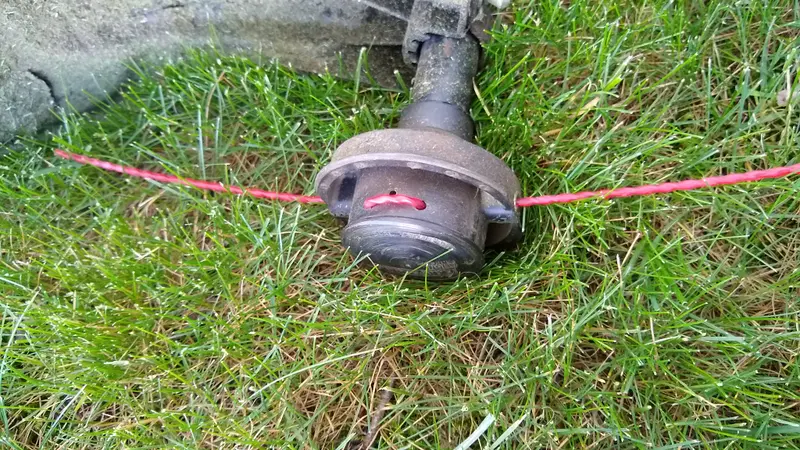
Match the tool to the growth. A mid-range cordless trimmer handles almost every home lawn’s edging and weed work for well under $200. Step up to gas only if you’re clearing heavy brush or covering acreage, and even then, a straight shaft is easier on tall stuff than a curved one. Don’t buy the flagship gas trimmer to edge a small lawn.

Where to buy
- Cordless string trimmers (EGO, Ryobi, Milwaukee) , typically $100–$300 with battery (affiliate)
- Gas string trimmers (Echo, Husqvarna) , typically $130–$400 (affiliate)
As an Amazon Associate, YardBuff earns from qualifying purchases. Prices and availability are set by Amazon at the time you click.