What a standby generator costs
Pricing as of July 2026, per HomeGuide and Angi 2026 installed-cost data.
Prices vary by brand, model, and region. Confirm the current price with the retailer before you buy.
As an Amazon Associate, YardBuff earns from qualifying purchases.
Cost by type
| Type | Typical price | Best for |
|---|---|---|
| Unit only, air-cooled (10–18 kW) | $2,000–$5,000 | The generator alone; install is separate and required. |
| Installed, small home (10–14 kW) | $7,000–$10,000 | Essentials plus some comfort loads; most common size. |
| Installed, mid home (18–24 kW) | $10,000–$16,000 | Whole home including central air for most houses. |
| Installed, large home (26 kW+) | $15,000–$20,000 | Large homes with electric heat, range, and multiple ACs. |
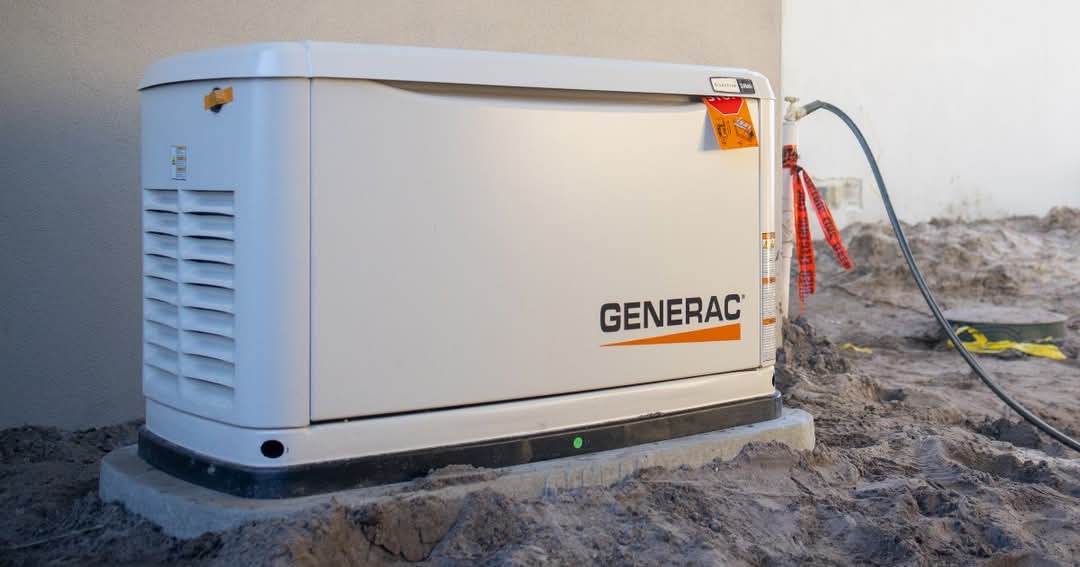
A standby generator costs $5,000 to $20,000 installed, with most homeowners spending $7,000 to $12,000 for a system that backs up a typical house. The generator itself is only part of that: an air-cooled unit runs $2,000 to $6,000, and the rest is the concrete pad, the automatic transfer switch, the gas line, permits, and a licensed electrician’s labor.
This is a professionally installed product, not a roll-it-out-of-the-box purchase, so the “cost” that matters is the installed total, not the sticker on the unit. Here’s where every dollar goes.
Why the install is most of the cost
Buy a 14 kW air-cooled unit and you’ll pay maybe $3,500 for the machine. Turning it into a working whole-home backup adds:
- The automatic transfer switch that senses an outage and starts the generator, wired into your panel.
- A concrete or composite pad for the unit to sit on outside.
- A gas line run to the unit, tied into your natural gas or a propane tank, at roughly $15 to $50 per linear foot.
- Permits and inspection by your local authority, $80 to $450.
- Licensed labor, typically $3,000 to $7,000, covering the electrical and gas work.
That’s why two homeowners buying the same unit can pay thousands apart: gas-line distance, panel work, and local permit costs vary enormously. Always get the installed quote, not the unit price, and get more than one.
What size standby do I need?
Standby sizing is done by a pro against your actual panel, but the ranges are predictable:
- 10 to 14 kW: essentials plus some comfort loads. The most common residential size, $7,000 to $10,000 installed.
- 18 to 24 kW: most whole homes including central air, $10,000 to $16,000 installed.
- 26 kW and up: large homes with electric heat, an electric range, and multiple AC units, $15,000 to $20,000 and up.
“Whole house generator” and “standby generator” describe the same product; the whole-house label just means it’s sized to run everything at once rather than a critical-loads subset. Sizing down to critical loads is a legitimate way to spend less if you don’t need the central air running during an outage.
What it costs to run and maintain
Running on natural gas, a standby costs less per hour than a gasoline portable and never needs refueling, which is much of its value on a multi-day outage. On propane, you’re buying tank fuel, so a long outage adds up. Every standby also needs an annual service, typically $150 to $300, plus oil and filter changes, and the battery that starts it gets replaced every few years.
Is a standby generator worth it over a portable?
That’s the real decision, and it’s a 5-to-10x price jump. A standby earns it when outages are frequent or long, when you travel and can’t be home to run a portable, or when you have a well, a sump pump, or medical equipment that can’t wait.
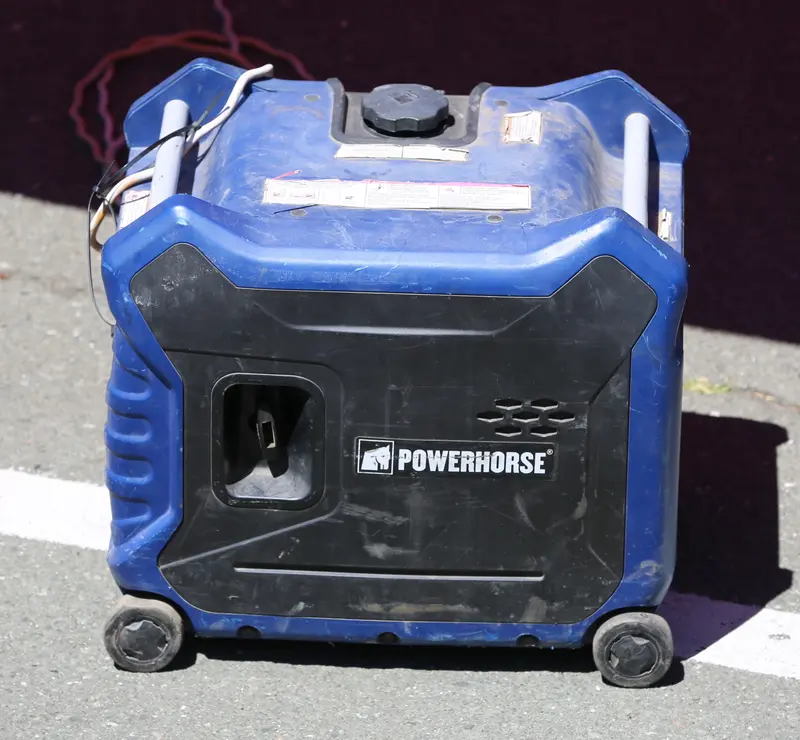
If your outages are rare and short, a large portable plus a transfer switch does most of the same job for a fraction of the cost. Price both, honestly, against how often your power actually goes out.
Where to buy
- Air-cooled standby units (Generac Guardian, Champion) , unit typically $2,000–$6,000; install separate (affiliate)
- Automatic transfer switches , included in most installed quotes (affiliate)
As an Amazon Associate, YardBuff earns from qualifying purchases. Prices and availability are set by Amazon at the time you click.