What a snow blower costs
Pricing as of July 2026, per LawnStarter and HomeAdvisor 2026 cost data and Home Depot listings.
Prices vary by brand, model, and region. Confirm the current price with the retailer before you buy.
As an Amazon Associate, YardBuff earns from qualifying purchases.
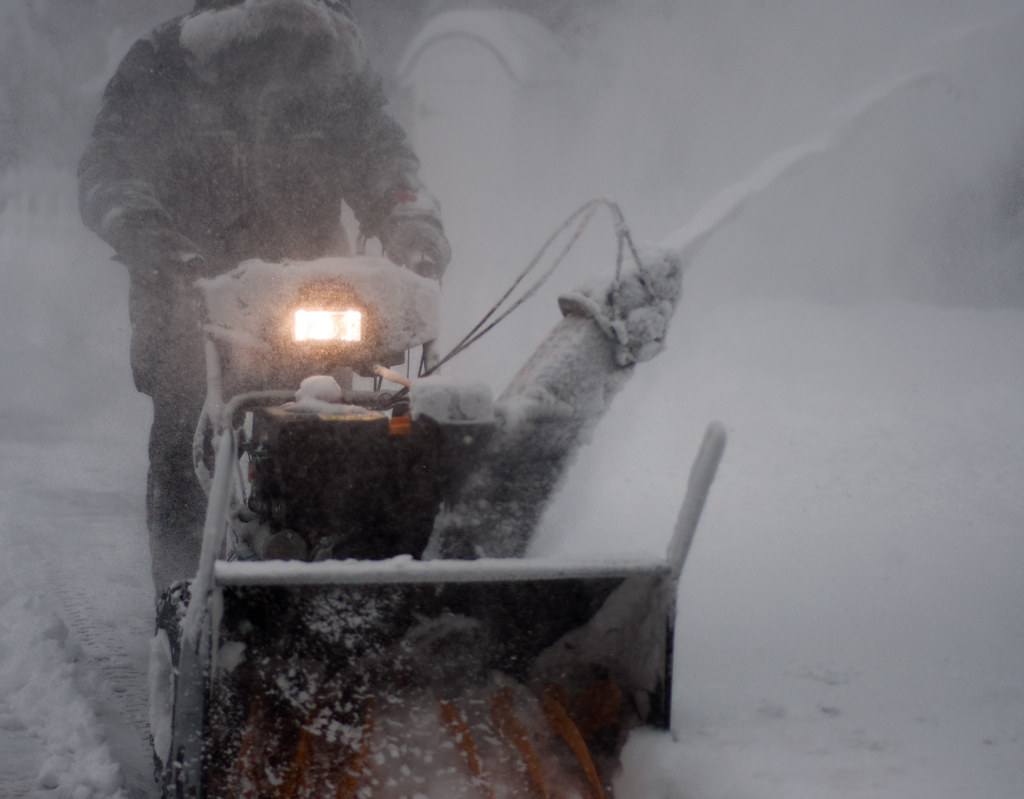
Cost by type
| Type | Typical price | Best for |
|---|---|---|
| Corded electric (single-stage) | $120–$250 | Light, dry snow on a small paved driveway; needs an outlet. |
| Single-stage gas | $250–$800 | Up to ~8 inches on a short-to-medium driveway. |
| Battery two-stage | $600–$1,600 | Quiet, no fuel; runtime and clearing depth capped by the pack. |
| Two-stage gas | $700–$1,800 | Deep snow, gravel, and wide driveways; throws far. |
| Three-stage gas | $1,800–$3,000 | Heavy, wet snow and long rural driveways; fastest clearing. |
A snow blower costs from about $120 for a corded single-stage machine to $3,000 for a three-stage gas unit. Most homeowners land between $305 and $1,800, and the average purchase runs right around $1,000. What you pay comes down to one thing: how much snow you get and how big the driveway is.
The stage count is the price driver, not the badge on the side. Here’s what each stage buys and where the money actually goes.
Single-stage vs two-stage vs three-stage
A single-stage blower uses one auger that both pulls in snow and throws it. It’s light, easy to turn, and clears down to the pavement, which is why it’s the right pick for a short-to-medium paved driveway in a region that gets moderate snow. Gas single-stage models run $250 to $800; corded electric versions start near $120 but tie you to an outlet and struggle past a few inches.
A two-stage blower adds a separate impeller that flings the snow the auger collects, so it throws farther and handles deep, heavy, and wet snow without bogging down. It also rides on powered wheels and clears gravel driveways safely because the auger doesn’t touch the ground. That capability costs $700 to $1,800, and it’s the honest answer for most people north of the snow line with a real driveway.
A three-stage adds an accelerator that feeds snow to the impeller faster. You’ll pay $1,800 to $3,000, and it only earns that over a two-stage if you’re clearing long rural driveways or the wet, heavy snow that buries the Midwest and Northeast.
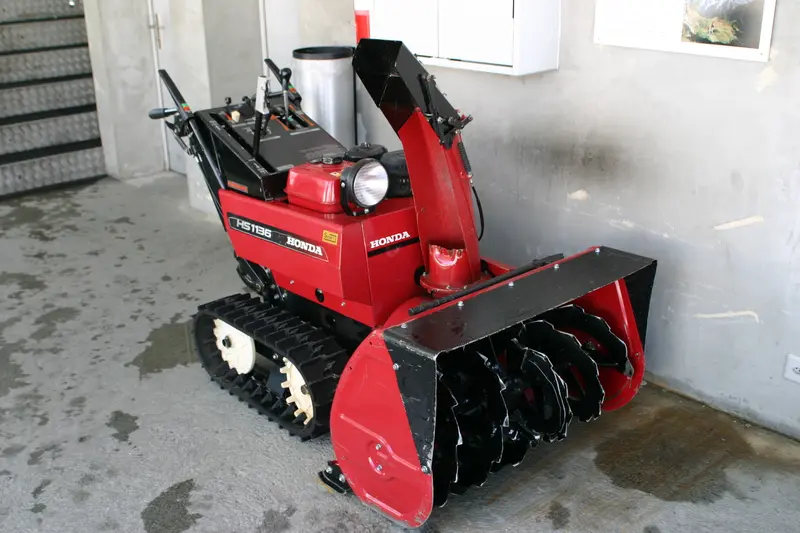
Gas vs electric: which snow blower is cheaper?
Battery snow blowers have caught up fast. A battery two-stage runs $600 to $1,600, roughly the same as a gas two-stage, and it starts with a button in sub-zero cold where gas engines fight you. The tradeoff is run time: a big storm can outlast a battery, and spare packs are expensive.
Gas stays cheaper to run per hour and never runs out mid-driveway as long as you have fuel. It also needs fuel stabilizer, oil, and the occasional carburetor cleaning after it sits all summer. If your driveway is small and your storms are light, battery or corded electric will save you money and hassle. If you get buried and can’t pause to recharge, gas is still the tool.
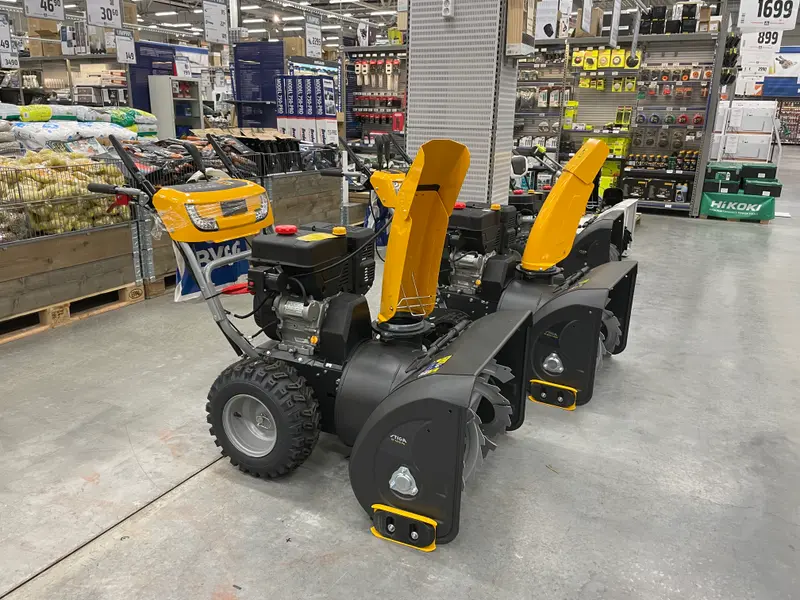
What it costs to run
The blower is most of the cost, but a gas machine adds fuel across the winter plus oil, spark plugs, shear pins, and stabilizer, so budget $30 to $70 a year in consumables. Store it wrong and the single biggest hidden cost shows up in spring: a gummed-up carburetor from untreated fuel, which is a $100-plus repair or a frustrating afternoon. Battery machines skip nearly all of that and just need the pack replaced eventually, usually $150 to $300.
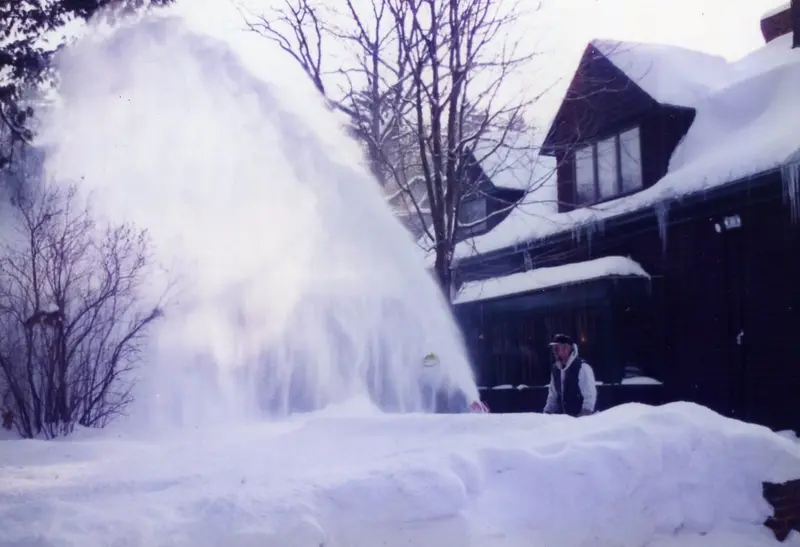
Which snow blower do I actually need?
- A few light snows a year, small paved driveway: corded or battery single-stage.
- Regular snow, medium driveway: single-stage gas.
- Real winters, wide or gravel driveway: two-stage. This is where most buyers should land.
- Heavy wet snow or a long rural driveway: three-stage.
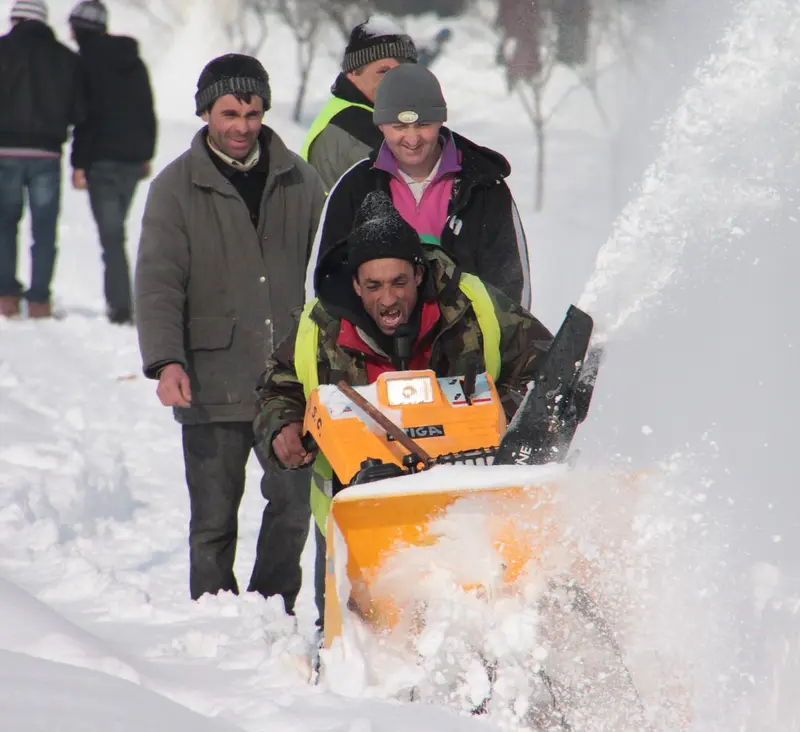
Don’t buy up a stage “to be safe.” A two-stage on a small city driveway is overkill you’ll curse every time you wrestle it out of the garage. Match the machine to your worst normal storm, not the storm of the century.
Where to buy
- Corded/battery single-stage blowers (Snow Joe, EGO) , typically $120–$500 (affiliate)
- Single-stage gas blowers (Toro, Ariens) , typically $250–$800 (affiliate)
- Two-stage gas blowers (Ariens, Cub Cadet) , typically $700–$1,800 (affiliate)
As an Amazon Associate, YardBuff earns from qualifying purchases. Prices and availability are set by Amazon at the time you click.