Mowers · cost guide
Robotic Lawn Mower Cost: What You'll Pay in 2026
A robotic lawn mower costs $500 to $5,000. Entry models run $500 to $1,000, wire-free GPS models $1,500 to $3,000. Here's the real cost by lawn size and features.
What a robotic lawn mower costs
Pricing as of July 2026, per Consumer Reports and manufacturer 2026 pricing.
Prices vary by brand, model, and region. Confirm the current price with the retailer before you buy.
As an Amazon Associate, YardBuff earns from qualifying purchases.
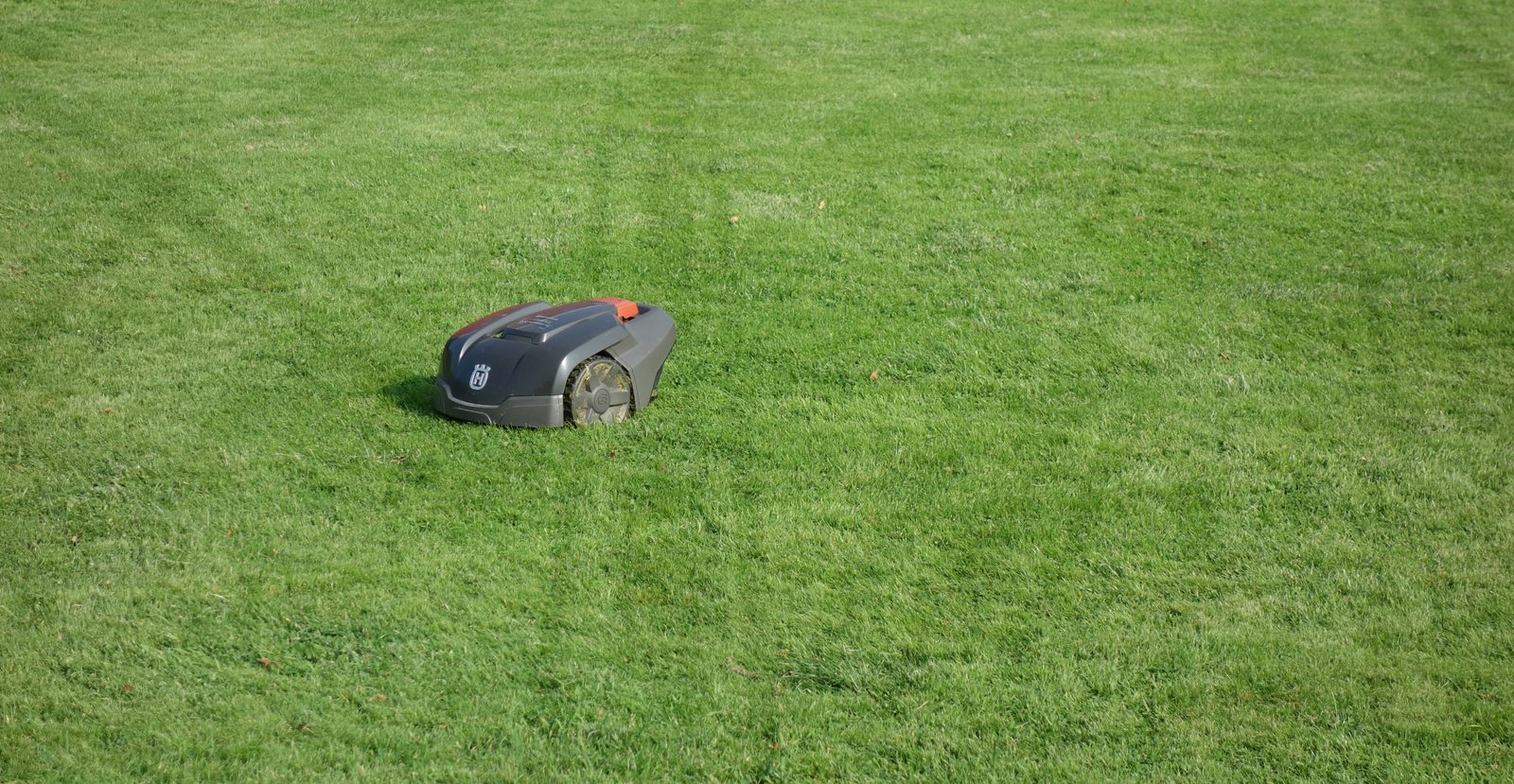
Cost by type
| Type | Typical price | Best for |
|---|---|---|
| Entry (boundary-wire, small lawn) | $500–$1,000 | Up to ~1/4 acre; you install a perimeter wire. |
| Mid (wire-free / GPS, up to 1/2 acre) | $1,000–$2,500 | No buried wire; app-mapped zones and scheduling. |
| Large lawn / all-wheel-drive | $2,500–$5,000 | Acre-plus, slopes, and complex layouts; vision and RTK GPS. |
A robotic lawn mower costs $500 to $5,000. Entry models with a boundary wire start around $500 to $1,000, wire-free GPS models for up to half an acre run $1,000 to $2,500, and large-lawn machines with vision and RTK positioning reach $2,500 to $5,000. Most homeowners buying one for a typical suburban lawn spend around $1,500.
A robot mower cuts a little every day on a schedule and returns to its dock to charge, so the grass stays short without you ever pushing a mower. The price question is lawn size and how you want it to find its way around.
What sets the price
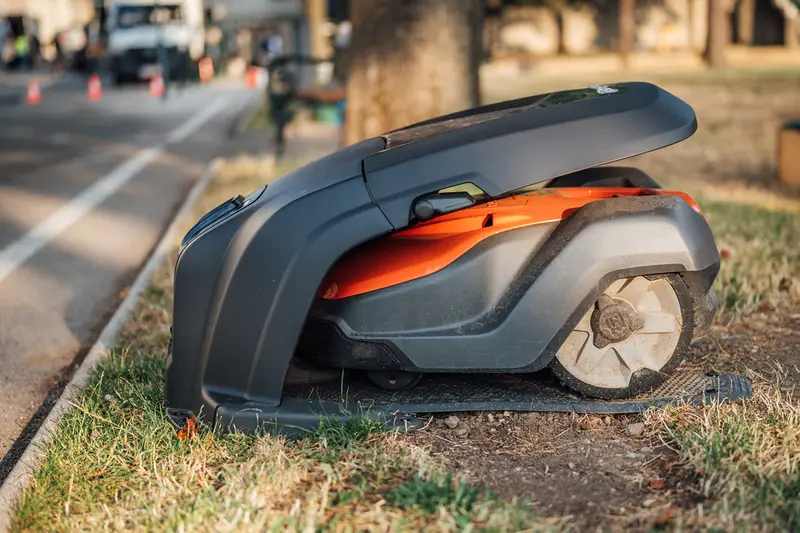
The two big drivers are lawn size and navigation. Older and cheaper models use a boundary wire you install around the lawn’s perimeter, which keeps the cost down ($500 to $1,000) but means a day of setup and a wire that can be cut by an edger. Newer models are wire-free, using GPS, RTK, or onboard cameras to map the yard from an app, and that convenience runs $1,000 to $2,500 for a mid-size lawn. The top tier ($2,500 to $5,000) adds all-wheel drive for slopes, obstacle-avoidance cameras, and the positioning accuracy to handle an acre or more with complex edges.
What it costs to run
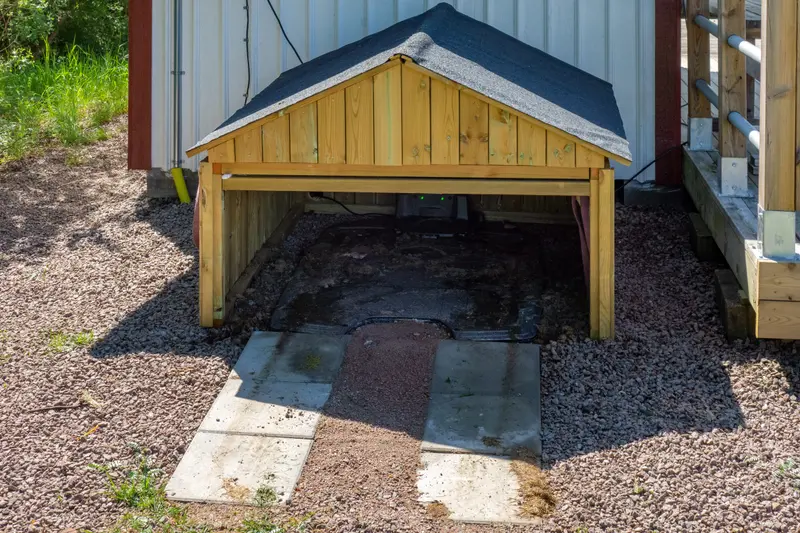
Robot mowers are cheap to run: pennies of electricity a day and no fuel, oil, or belts. The recurring cost is blades, which are small and swapped every few months for $15 to $40 a set, and eventually a battery replacement after several years. Factor in one-time setup, too: a boundary-wire model takes an afternoon, and some wire-free models want a clear sky view to hold GPS lock.
Is a robot mower worth it?
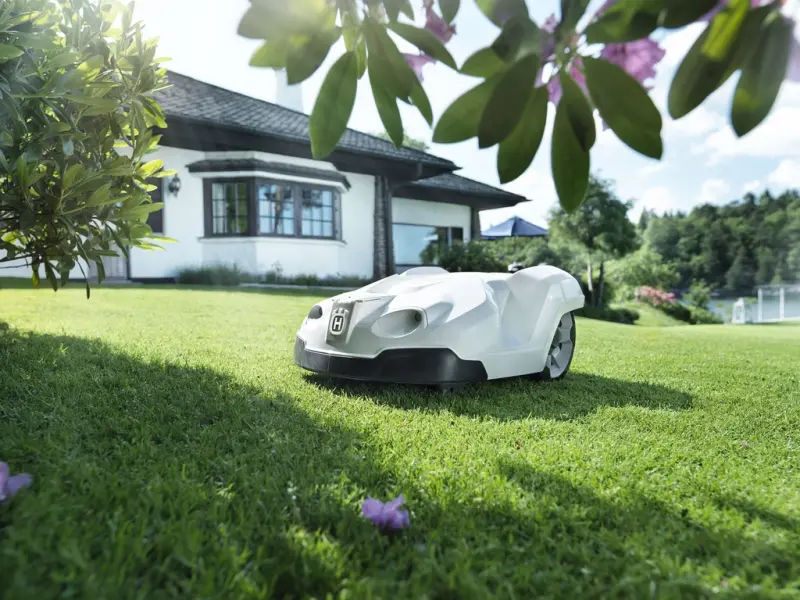
For a small-to-mid lawn with straightforward edges, a robot mower buys back every Saturday you’d spend mowing, and the grass looks better because it’s cut a little at a time. It’s a poor fit for very large, steep, or heavily obstructed yards unless you spend into the top tier. Compared to a good $300 push mower, you’re paying for your time back, not for a better cut, so the value depends on how much you’d rather not mow.
Where to buy
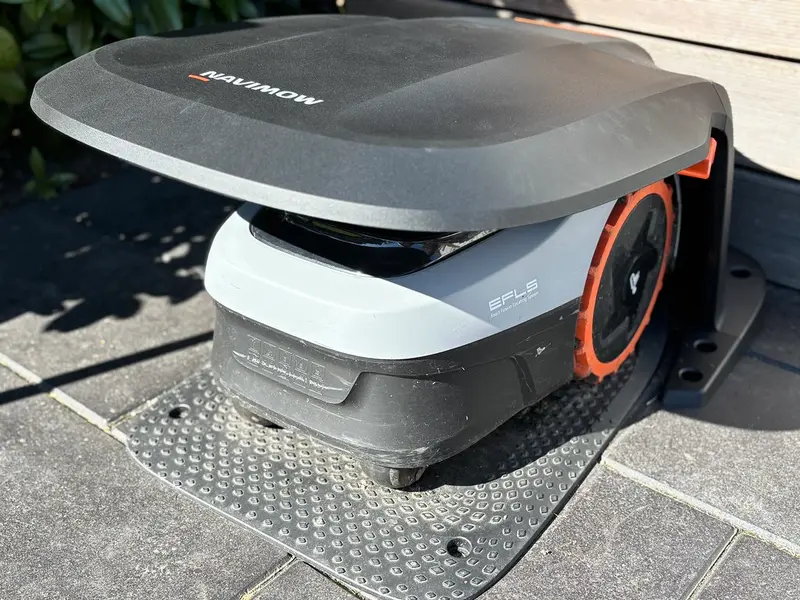
- Wire-free robot mowers (Segway Navimow, Mammotion, Dreame) , typically $1,000–$3,000 (affiliate)
- Entry boundary-wire robot mowers (Worx Landroid, Gardena) , typically $500–$1,200 (affiliate)
As an Amazon Associate, YardBuff earns from qualifying purchases. Prices and availability are set by Amazon at the time you click.