Mowers · cost guide
Push Mower Cost: What You'll Pay in 2026
A push mower costs $80 to $500. Reel mowers run $80 to $150, gas push $150 to $400, battery $200 to $500. Here's the real cost by type and what fits your yard.
What a push mower costs
Pricing as of July 2026, per Home Depot and Lowe's push-mower listings, July 2026.
Prices vary by brand, model, and region. Confirm the current price with the retailer before you buy.
As an Amazon Associate, YardBuff earns from qualifying purchases.
Cost by type
| Type | Typical price | Best for |
|---|---|---|
| Reel (manual) | $80–$150 | Small, flat, well-kept lawns; no engine, no upkeep. |
| Corded electric | $120–$250 | Small yards near an outlet; light and quiet. |
| Gas push | $150–$400 | The default for a quarter- to half-acre with even ground. |
| Battery push | $200–$500 | No fuel or oil; one charge covers most small-to-mid lawns. |
A push mower costs $80 to $500. A manual reel mower is the cheapest at $80 to $150, a gas push mower runs $150 to $400, and a battery model runs $200 to $500. Most people buying a walk-behind for a small-to-medium lawn spend around $250 to $300.
“Push” means you provide the forward motion and the mower spins the blade, as opposed to a self-propelled model that drives itself. It’s the right tool for a flat yard you can cover without a workout.
Which type fits your yard
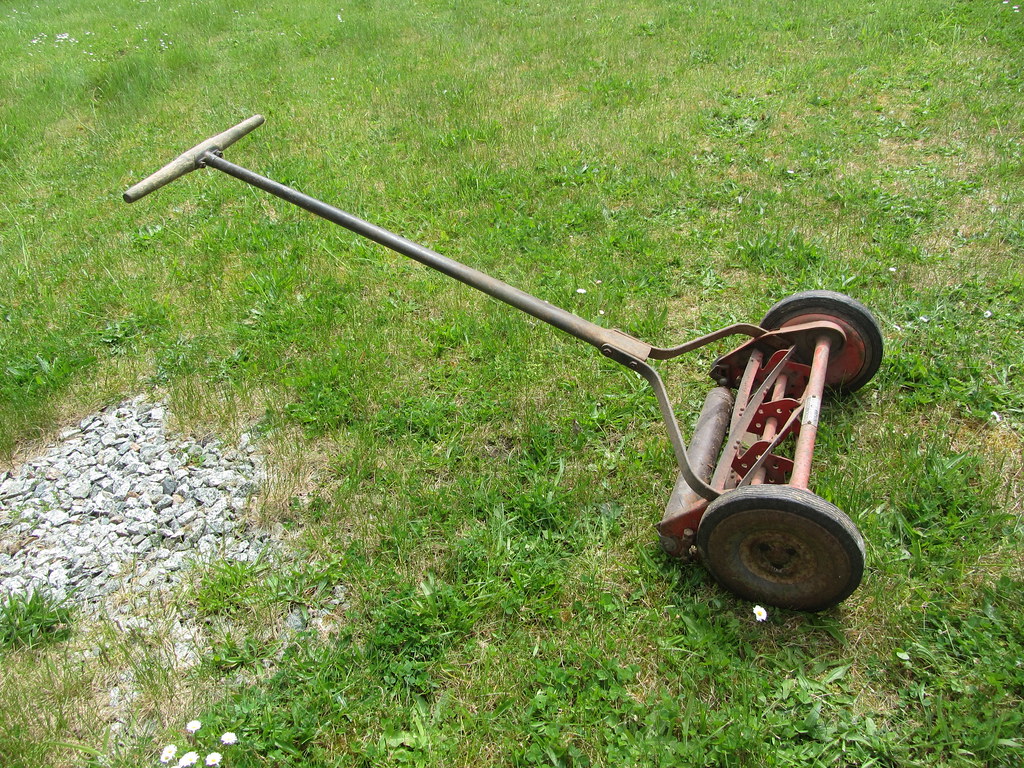
A reel mower has no engine at all, just a spinning cylinder of blades. It’s silent, needs almost nothing, and gives a clean cut, but only on a small, flat, regularly mowed lawn. Let the grass get tall and it bogs down.
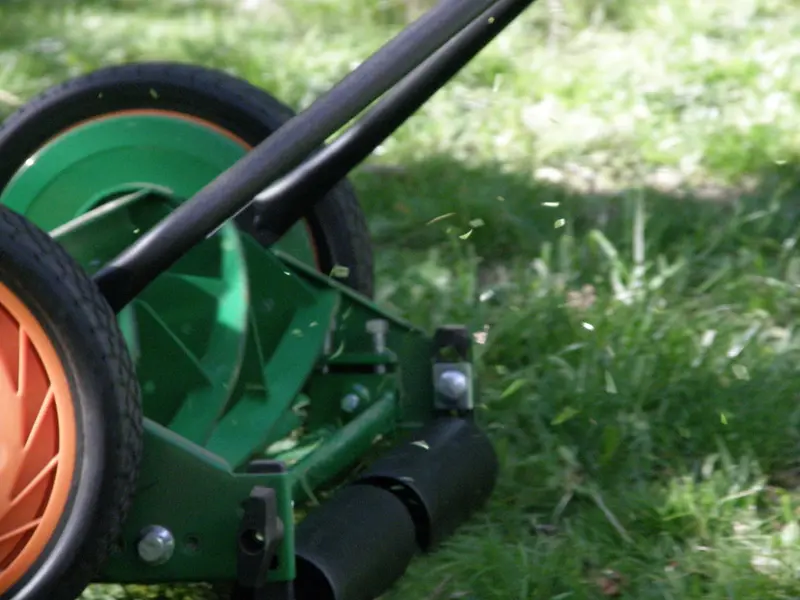
A gas push mower is the classic quarter- to half-acre machine, $150 to $400, and it starts, cuts, and lasts a decade with basic care. A battery push costs a bit more up front ($200 to $500) but skips fuel, oil, and pull-starts entirely; one charge handles most small-to-mid yards, and you recharge for pennies. A corded electric is cheapest to run but tethers you to an outlet, so it only suits small yards near the house.
Gas or battery for a push mower?
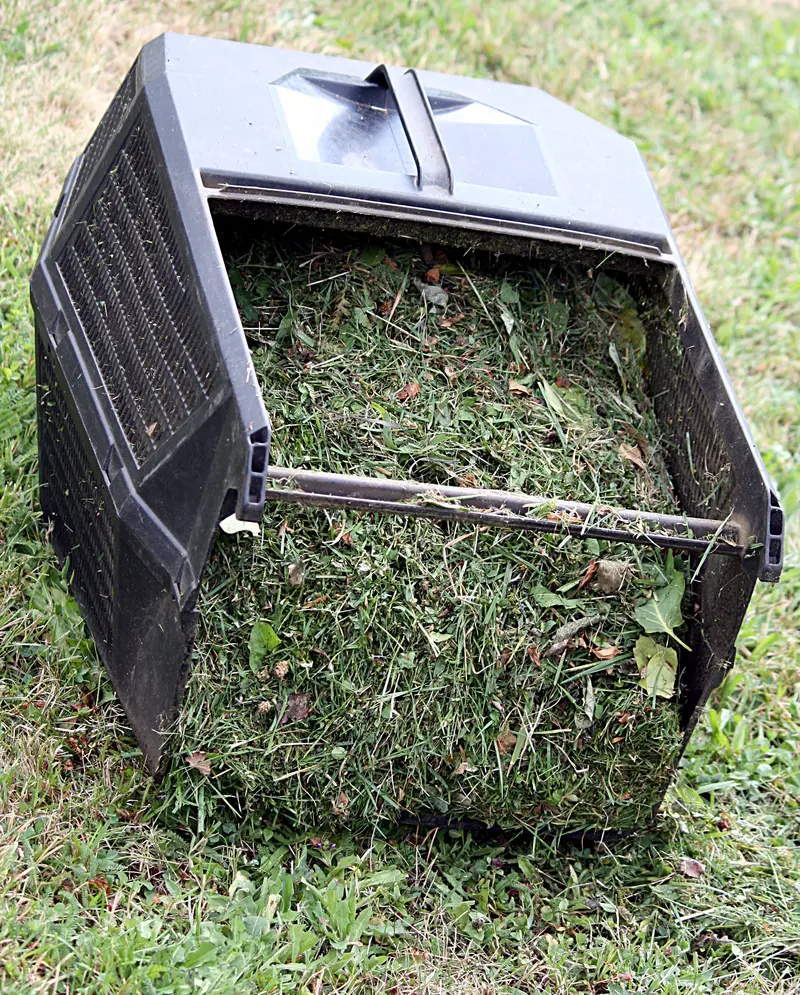
For a small flat lawn, battery is the easier choice: quieter, no maintenance beyond a blade, and no gas can in the garage. For a half-acre or a yard with thick grass, gas gives you unlimited run time and a bit more cutting power. Neither is wrong. The deciding factor is whether one battery charge finishes your lawn, and whether you’d rather never touch a spark plug again.
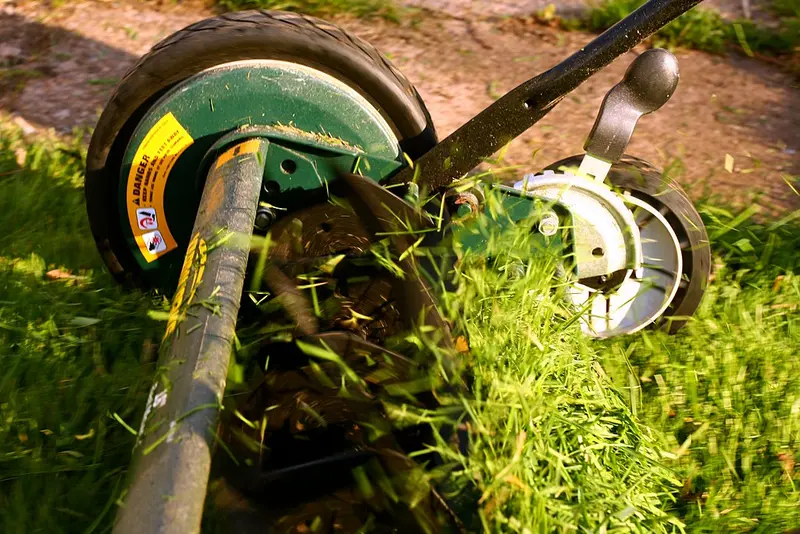
Whatever you pick, don’t overspend here. A push mower is a simple machine, and the $400 model doesn’t cut a small flat lawn any better than the $220 one. Put the money toward self-propelled only if slopes or size make pushing a chore.
Where to buy
- Gas push mowers (Toro, Honda, Craftsman) , typically $150–$400 (affiliate)
- Battery push mowers (EGO, Ryobi, Greenworks) , typically $200–$500 with battery (affiliate)
- Reel mowers , typically $80–$150 (affiliate)
As an Amazon Associate, YardBuff earns from qualifying purchases. Prices and availability are set by Amazon at the time you click.