What a portable generator costs
Pricing as of July 2026, per HomeGuide and Angi 2026 data and retailer listings.
Prices vary by brand, model, and region. Confirm the current price with the retailer before you buy.
As an Amazon Associate, YardBuff earns from qualifying purchases.
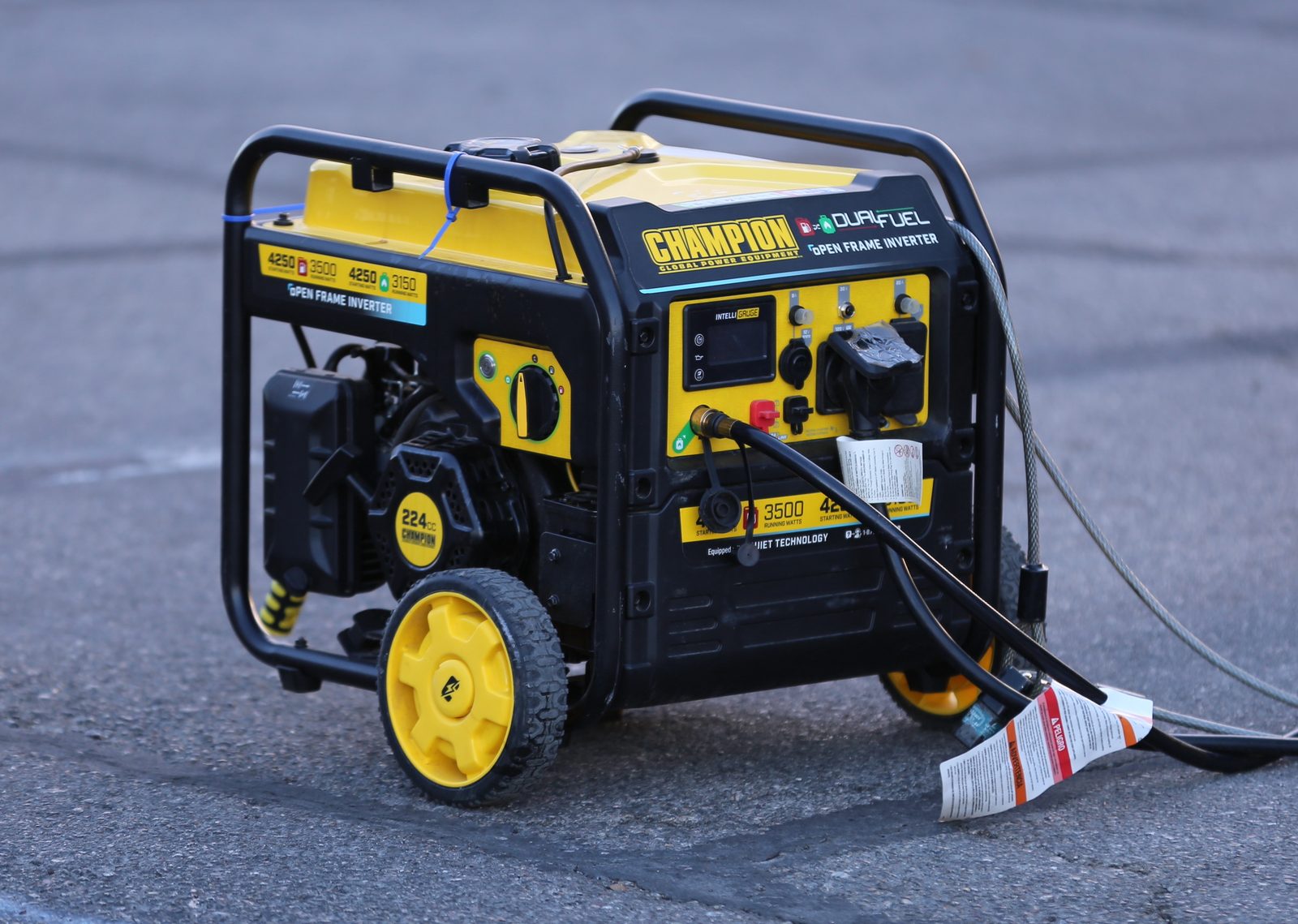
Cost by type
| Type | Typical price | Best for |
|---|---|---|
| Small inverter (1–2 kW) | $300–$900 | Camping, tailgating, phones, a fan; quiet enough to talk over. |
| Mid inverter (2.5–4 kW) | $700–$1,400 | Fridge, lights, and sensitive electronics cleanly. |
| Conventional portable (4–7 kW) | $500–$1,200 | Outage backup for essentials; louder, cheaper per watt. |
| Large inverter / portable (7–9 kW) | $1,500–$2,500 | Most of a house through a transfer switch. |
A portable generator costs $400 to $2,500, and the clean answer for most homeowners is a mid-size unit around $700 to $1,500. Small recreational inverters start near $400 for camping and a few essentials, while large units that can run most of a house through a transfer switch reach $1,500 to $2,500. Where you land depends on how much you need to power and whether you want quiet, clean inverter output.
This is the clearest-priced way to buy backup power without the five-figure standby install. Here’s what each size covers.
Inverter vs conventional portable
The big split isn’t just size, it’s how the generator makes power. A conventional portable uses a fixed-speed engine tied to the electrical load. It’s cheaper per watt ($500 to $1,200 for 4 to 7 kW), louder, and its output is fine for a fridge, a furnace fan, and lights, but rougher for sensitive electronics.
An inverter generator produces clean, stable power and throttles the engine down when the load is light, so it’s quieter and more fuel-efficient. You pay for that: a 2 to 4 kW inverter runs $700 to $1,400, and small recreational inverters are $400 to $1,000. If you’re running a laptop, a modern TV, or medical equipment, or you just don’t want a roaring engine all night, the inverter premium is worth it.
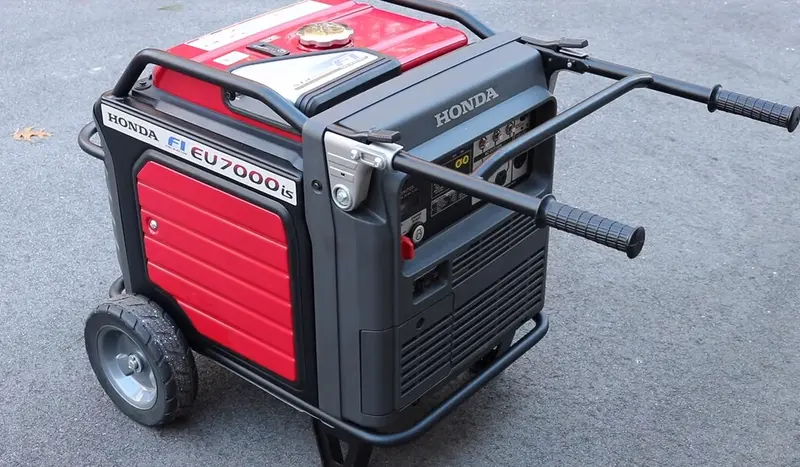
What size portable do I need?
Add up the running watts of what must stay on, then leave headroom for the starting surge of anything with a motor:
- Camping or a couple of essentials: 1 to 2 kW. A small inverter.
- Fridge, furnace fan, lights, chargers during an outage: 3 to 5 kW. A mid inverter or a conventional portable.
- Most of the house through a transfer switch: 6 to 9 kW. A large unit.
A transfer switch is the piece people forget to budget. Running individual cords works for a fridge and a lamp, but to power hardwired things like a furnace or well pump safely and legally, you need a transfer switch, and that’s another $400 to $1,300 installed by an electrician. Budget it up front if you want the generator to do more than run extension cords.
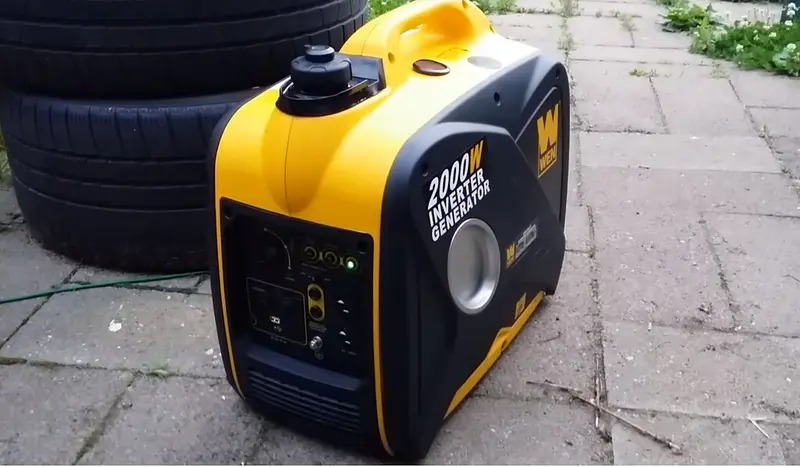
What it costs to run per hour
Fuel is the ongoing cost. A mid portable burns roughly 0.5 to 0.75 gallons of gasoline per hour at half load, so a full day of outage is $20 to $40 in fuel, and you’ll need to store or find gas during a region-wide event. Inverters sip less because they throttle down. Both need oil changes on schedule and fuel stabilizer if they sit between uses. Skip the stabilizer and the spring carburetor cleaning is your penalty.
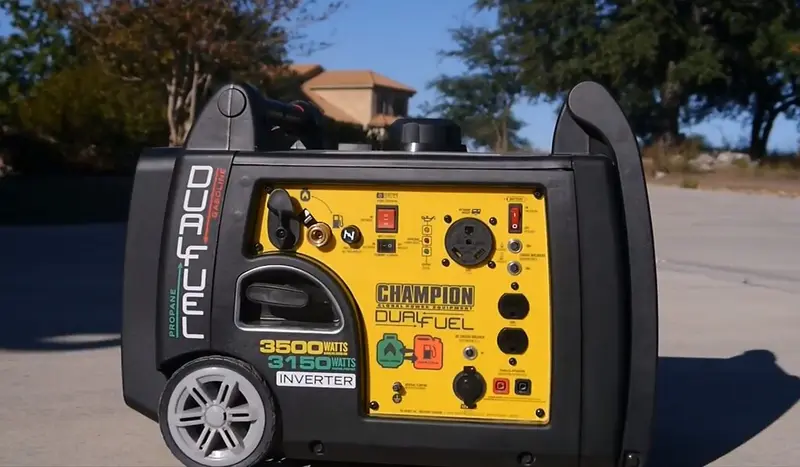
Which portable do I actually need?
- Recreation and a few essentials: a 2 kW inverter.
- Keeping the critical stuff on during outages: a 3 to 5 kW unit. This is the sweet spot for most homes.
- Running nearly the whole house: a 7 to 9 kW unit plus a transfer switch.
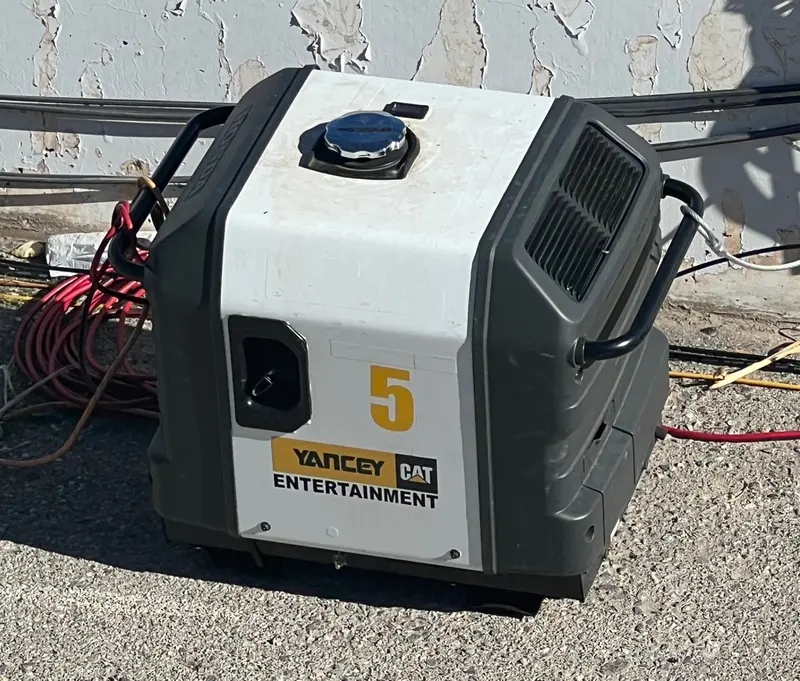
Buy for the load you actually need to carry during an outage, add a transfer switch if you want to power hardwired circuits, and you’ll spend far less than a standby install while keeping the important things running.
Where to buy
- Small recreational inverters (Honda EU, Champion) , typically $400–$1,000 (affiliate)
- Conventional portable generators , typically $500–$1,200 (affiliate)
- Large inverter generators , typically $1,500–$2,500 (affiliate)
As an Amazon Associate, YardBuff earns from qualifying purchases. Prices and availability are set by Amazon at the time you click.