What a generator costs
Pricing as of July 2026, per HomeGuide and Angi 2026 generator cost data.
Prices vary by brand, model, and region. Confirm the current price with the retailer before you buy.
As an Amazon Associate, YardBuff earns from qualifying purchases.
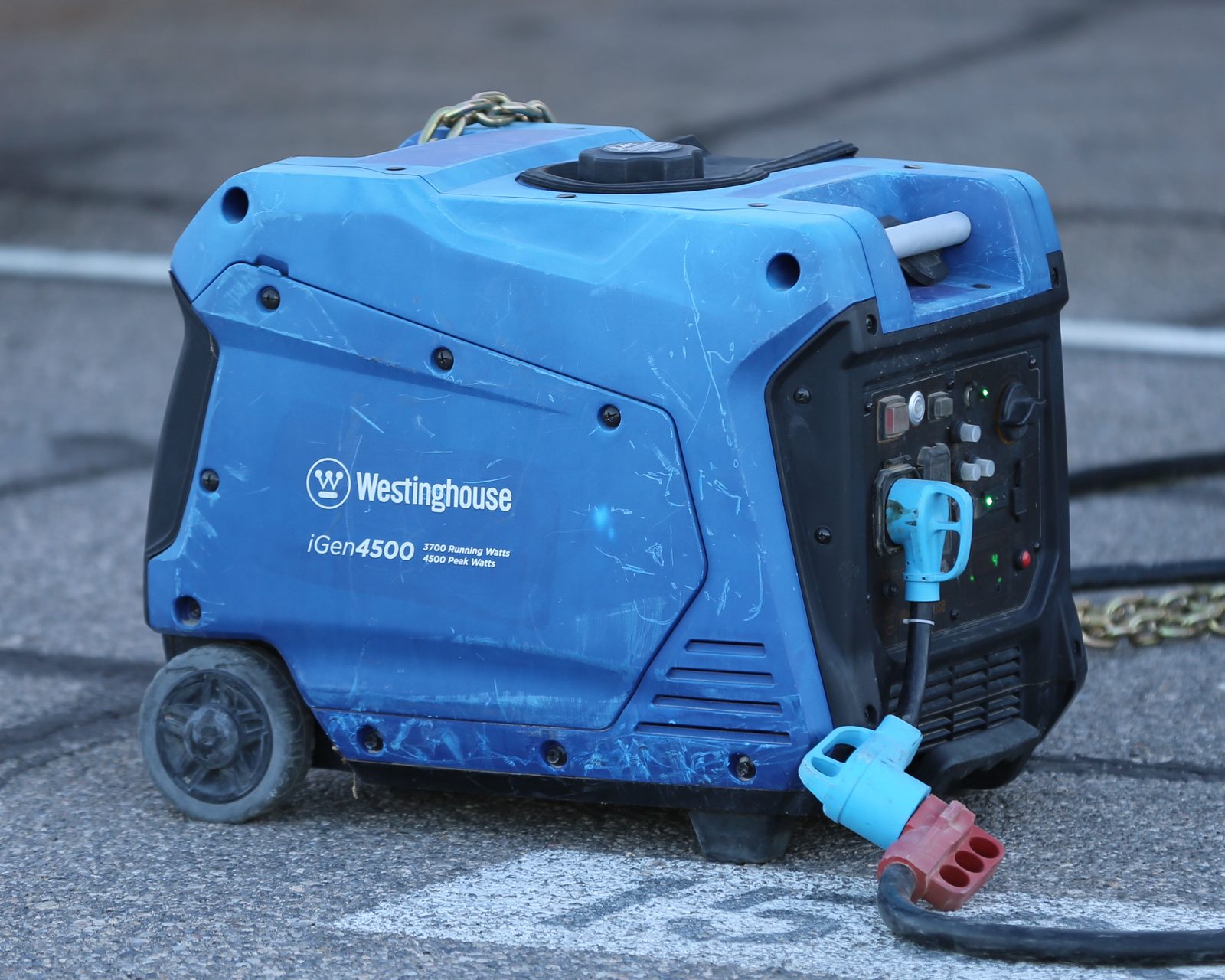
Cost by type
| Type | Typical price | Best for |
|---|---|---|
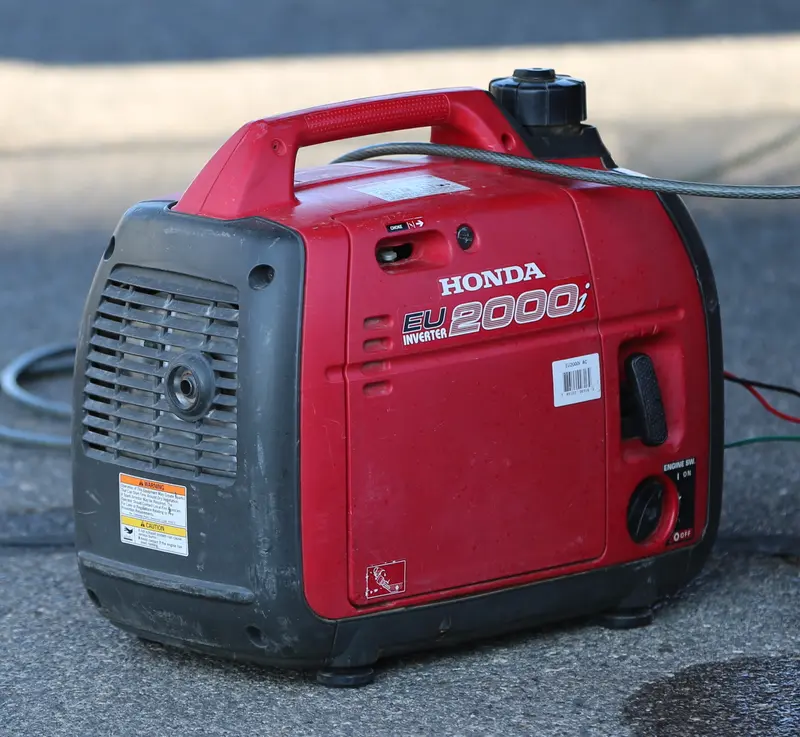
| Recreational inverter (1–2 kW) | $400–$1,000 | Camping, tailgating, a few essentials; quiet and light. |
| Mid portable (3–5 kW) | $700–$1,500 | Fridge, lights, and a few circuits during an outage. |
| Large portable / inverter (6–9 kW) | $1,500–$2,500 | Most of a house through a manual transfer switch. |
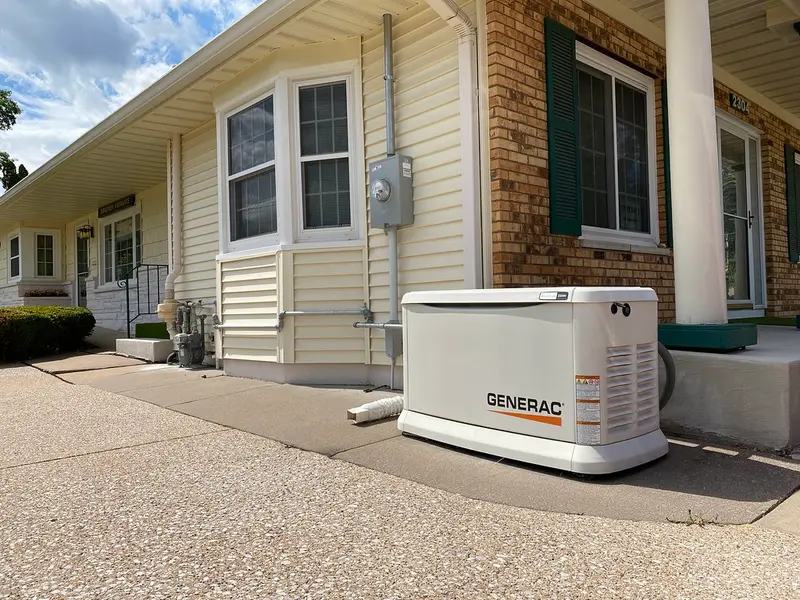
| Standby, installed (10–18 kW) | $7,000–$12,000 | Automatic whole-home backup; runs on natural gas or propane. |
| Standby, installed (20 kW+) | $12,000–$20,000 | Large homes with central air and electric appliances. |
A generator costs anywhere from $400 for a small recreational inverter to $20,000 for a fully installed whole-home standby. The gap is that wide because “generator” covers two very different products: a portable machine you roll out during an outage, and a permanent standby that switches on by itself. Most homeowners buying backup power for the first time spend around $1,000 to $1,500 on a portable, or $7,000 to $12,000 installed if they go standby.
Deciding between the two, and sizing whichever you pick, is the whole cost question. Here’s how to think it through.
Portable vs standby: the real split
A portable generator runs $400 to $2,500 depending on output. You store it, wheel it out when the power goes, fill it with gas, and either run cords to appliances or feed the house through a transfer switch. It’s the affordable answer for occasional outages, and a mid-size unit ($700 to $1,500) will keep the fridge, furnace, and some lights going.
A standby generator is a permanent installation, $7,000 to $20,000 all-in. It sits on a pad outside like an AC condenser, runs on your natural gas or a propane tank, and an automatic transfer switch starts it within seconds of an outage with nobody home. The unit itself is only $2,000 to $6,000; the rest is the pad, the transfer switch, the gas line, permits, and a licensed electrician’s labor, which typically runs $3,000 to $7,000. If you lose power often or can’t be home to run a portable, that’s what the money buys.
What size generator do I need?
Sizing is where people overspend or come up short. Add up the running watts of what you must power, then add starting-watt headroom for motors (a fridge or furnace blower spikes two to three times its running draw for a second on startup).
- Essentials only (fridge, furnace fan, lights, phone charging): roughly 3,000 to 5,000 running watts. A mid portable covers it.
- Most of a house (add a well pump, microwave, some outlets): 6,000 to 9,000 watts. A large portable or a small standby.
- Whole home with central AC and electric range: 12,000 to 20,000 watts. Standby territory.
Don’t size to the sum of everything you own; size to what actually runs at once during an outage. A right-sized 7,500-watt unit beats an oversized 15,000-watt one you paid double for and never load past a third.
What it costs to run per hour
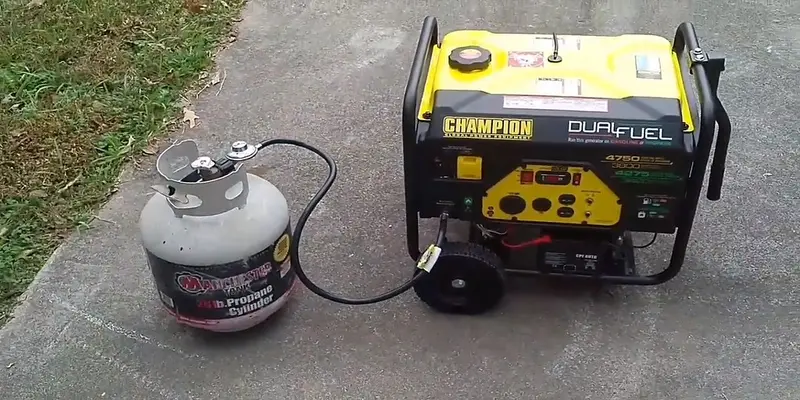
Fuel is the number rarely printed on the box. A mid portable burns roughly 0.5 to 0.75 gallons of gasoline per hour at half load, so a day of outage can run $20 to $40 in fuel alone, and gas is hard to find when the power’s out region-wide. Standby units on natural gas cost less per hour and never need refueling, which is a real part of their value on a long outage. Both need oil changes on a schedule, and standby units get an annual service, typically $150 to $300.
Which generator do I actually need?
- Rare, short outages; want to spend the least: a mid portable and a few heavy cords.
- Regular outages; want the house mostly normal: a large portable plus a manual transfer switch.
- Frequent or long outages, or you travel: an installed standby sized to your real load.
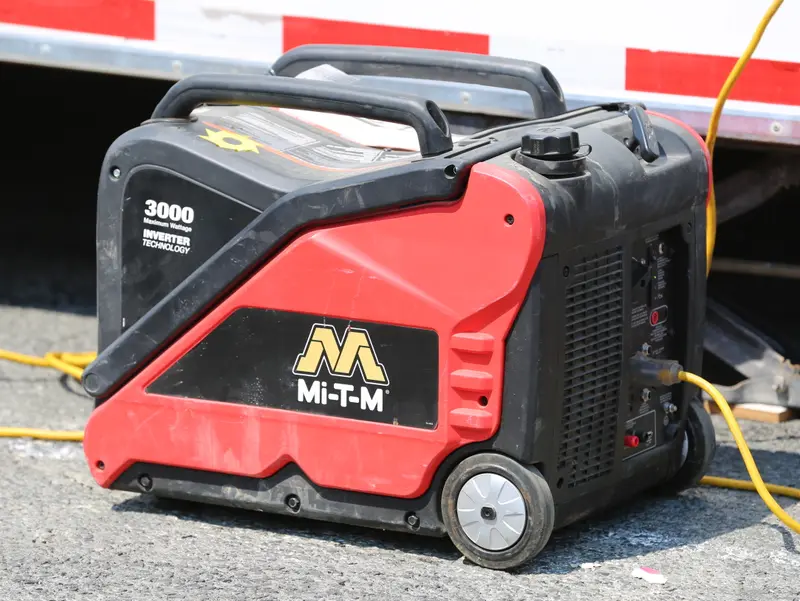
The clean, affordable buy for most people is a large portable with a transfer switch. Step up to standby when the outages are frequent enough, or long enough, that starting a portable by hand in the dark stops being acceptable.
Where to buy
- Recreational inverter generators (Honda, Champion) , typically $400–$1,000 (affiliate)
- Mid portable generators , typically $700–$1,500 (affiliate)
- Manual transfer switches , typically $400–$1,300 installed (affiliate)
As an Amazon Associate, YardBuff earns from qualifying purchases. Prices and availability are set by Amazon at the time you click.